
Older homes can be incredibly attractive to real estate investors. They often sell for less than newer properties, they may sit in established neighborhoods with mature landscaping, and they frequently offer architectural charm that buyers appreciate. For house flippers, those qualities can translate into excellent resale value when renovations are done correctly.
But older properties also carry hidden risks. Behind vintage finishes and charming facades, aging homes can hide decades of deferred maintenance, outdated infrastructure, and structural surprises. Many first-time investors focus on visible upgrades—new kitchens, updated bathrooms, fresh paint—only to discover later that underlying systems require far more work than expected.
The difference between a profitable flip and a costly mistake often comes down to preparation. Successful investors approach older homes with a different mindset than newer properties. They assume repairs will be necessary, investigate every major system, and prioritize improvements that protect the structure and functionality of the home before moving on to cosmetic upgrades.
This guide explores the most common renovation mistakes investors make when flipping older homes and offers practical strategies for avoiding them. Whether you are tackling your first project or refining your renovation process, understanding these risks can help you protect your investment and deliver a finished property that buyers trust.
Conduct a Thorough Property Inspection Before Purchase

One of the most expensive mistakes a flipper can make happens before the renovation even begins: purchasing a property without fully understanding its condition.
Standard home inspections provide a useful overview, but they often don’t dig deeply enough into the specific issues common in aging homes. Older plumbing systems, well infrastructure, electrical wiring, and structural framing may require specialized evaluation.
Consider a scenario that plays out frequently in rural property flips. An investor purchases an attractive farmhouse at a great price, expecting to focus primarily on interior upgrades. After demolition begins, however, the contractor discovers that the water system barely functions. The property relies on an aging well pump that fails under normal usage. Suddenly, the renovation budget must account for well pump repair and possibly additional water system upgrades.
Situations like this can derail timelines and profits.
Before closing on an older property, it’s wise to arrange a deeper inspection process that includes professionals who specialize in older building systems. In addition to a general inspector, investors may benefit from bringing in specialists such as:
- Structural engineers to evaluate foundation movement or framing damage
- HVAC professionals to assess heating and cooling equipment
- Plumbers to inspect aging supply lines or septic systems
- Electricians to review outdated wiring or panel capacity
Water infrastructure deserves particular attention in rural or semi-rural properties. Wells, pressure tanks, filtration systems, and underground lines can all deteriorate over time.
A careful inspection can reveal whether the system simply needs maintenance or whether major upgrades are required. Spending extra time investigating these systems upfront can prevent costly surprises later in the renovation process.
Another benefit of deeper inspections is negotiating leverage. If issues are discovered before purchase, investors may be able to renegotiate the price or request seller concessions. Even if the purchase price remains unchanged, entering the project with realistic expectations allows you to build an accurate renovation budget.
Understand Legal Risks Before Beginning Renovations
Renovation projects are not just construction efforts; they are also legal processes. Failing to recognize this reality can create complications that delay projects or even threaten the entire investment.
Older homes often have long histories of modifications, additions, and repairs. Over the decades, previous owners may have completed renovations without proper permits or documentation. What appears to be a charming sunroom or finished basement may not meet current building codes.
Investors sometimes discover these problems only after renovation work begins.
Consulting a real estate law firm early in the process can help identify potential legal issues before construction starts. Attorneys experienced in property transactions can review title records, zoning rules, and renovation permits associated with the property.
Several legal complications appear regularly in older homes:
- Additions built without permits
- Property line encroachments
- Historic district regulations
- Easements for utilities or shared driveways
- Code violations tied to outdated renovations
Each of these issues can affect renovation plans.
For example, a flipper might intend to expand a kitchen into an enclosed porch, only to discover the porch was never legally permitted. In some cases, local authorities may require the structure to be brought up to code or removed entirely.
Historic districts introduce another layer of complexity. Many older homes sit in neighborhoods with preservation guidelines that restrict exterior changes. Windows, roofing materials, siding, and even paint colors may require approval before renovation.
Working with legal professionals ensures investors understand these rules before making renovation decisions. A short consultation early in the project can save weeks—or months—of complications later.
Evaluate Roofing Conditions Before Interior Renovations

When planning renovations, many investors instinctively focus on the interior. Kitchens, bathrooms, and flooring tend to dominate renovation budgets because they directly affect resale value.
But overlooking the roof can create serious problems.
Roof systems protect the entire structure of the home. If the roof fails, interior improvements can be quickly damaged by leaks or moisture infiltration. Unfortunately, roofing issues are common in older homes.
Shingles may have exceeded their lifespan, flashing may be deteriorating, and decking beneath the roofing materials may be weakened by years of exposure.
Before interior renovations begin, it’s wise to bring in a local roof repair service to evaluate the condition of the roof.
Experienced roofing professionals can identify issues that may not be obvious during a quick walkthrough, including:
- Hidden water damage beneath shingles
- Failing ventilation systems in the attic
- Weak or sagging roof decking
- Chimney flashing deterioration
Addressing these issues early protects the rest of the renovation.
In some cases, the roof may only need targeted repairs. Replacing damaged flashing or sealing vulnerable areas can extend the roof’s lifespan for several years. In other situations, full replacement may be the smarter financial decision, especially if the roof is nearing the end of its service life.
Many investors hesitate to replace a roof because the cost can be high. However, from a resale perspective, a new roof can become a selling advantage. Buyers appreciate knowing that one of the most expensive components of the home has already been updated.
More importantly, resolving roofing issues first ensures that interior improvements remain protected long after the flip is complete.
Plan Utility Upgrades Before Cosmetic Renovations
A common mistake among inexperienced flippers is prioritizing cosmetic upgrades before addressing mechanical systems.
New countertops and fresh paint may look impressive during showings, but buyers often ask about heating systems, insulation efficiency, and long-term operating costs. Older homes frequently contain outdated heating equipment that struggles to maintain comfortable indoor temperatures.
One upgrade many investors consider is heat pump installation. Modern heat pumps can provide both heating and cooling with impressive energy efficiency. For buyers concerned about rising energy costs, this type of upgrade can be a significant selling point.
However, deciding whether to upgrade the heating system requires careful evaluation.
Older homes sometimes rely on alternative heating sources, including propane systems stored in exterior tanks. These setups can function well but may require inspection to ensure they remain safe and efficient.
When assessing heating infrastructure, investors should consider:
- The age of the current heating equipment
- Insulation levels throughout the home
- Energy costs associated with different fuel types
- Buyer expectations within the local market
In some regions, maintaining propane systems may make sense because buyers are familiar with them. In other areas, switching to electric heating systems may be more attractive.
Regardless of the final choice, mechanical systems should always be evaluated before interior finishes are installed. Running new ductwork, electrical lines, or plumbing through finished walls can become far more expensive once renovations are underway.
By addressing mechanical upgrades first, investors create a solid foundation for the rest of the renovation.
Budget for Exterior Infrastructure Repairs Early
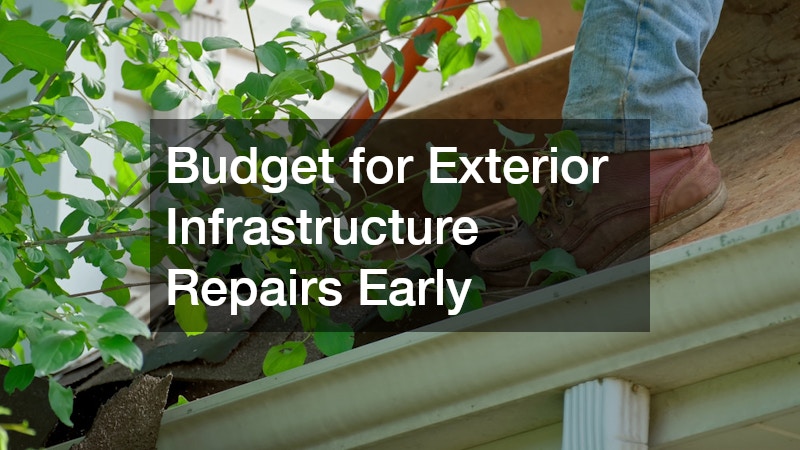
Driveways, walkways, and other exterior surfaces often receive less attention during renovation planning. Yet these features play an important role in both safety and curb appeal.
Older homes frequently have driveways that have deteriorated over time. Cracks, uneven surfaces, and drainage problems can develop after decades of weather exposure.
While these issues might seem minor compared to structural repairs, they can still affect a buyer’s first impression of the property.
Addressing asphalt repair early in the renovation process helps create a cleaner, more finished appearance. Repairing damaged surfaces can also prevent water from pooling near the foundation, which can cause long-term structural issues.
Exterior infrastructure repairs may include several types of work:
- Filling cracks and sealing asphalt surfaces
- Resurfacing severely worn driveways
- Improving drainage around walkways
- Repairing parking areas or access roads
These improvements often cost less than interior renovations but deliver noticeable visual impact.
When buyers pull up to a property, the condition of the driveway and exterior spaces immediately signals whether the home has been well maintained. A smooth, well-maintained surface creates a sense of quality that supports the rest of the renovation.
Ignoring these exterior elements can make even a beautifully renovated interior feel incomplete.
Evaluate Outbuildings Before Investing in Repairs
Many older properties include secondary structures such as barns, sheds, or detached garages. While these features can add charm and functionality, they can also become renovation traps.
Investors sometimes assume these structures should automatically be restored as part of the flip. In reality, the decision depends on the condition of the building and the expectations of buyers in the area.
For example, rural properties may include large storage structures originally built for agricultural use. These buildings can be appealing to buyers who need space for equipment, hobbies, or workshops.
Before investing in repairs, however, it can be helpful to consult a pole barn builder who understands how these structures age.
Professionals familiar with barn construction can evaluate whether the building is structurally sound or whether significant repairs would be required. They may also estimate the cost of reinforcing the structure, replacing siding, or upgrading roofing systems.
Sometimes the evaluation reveals that restoring the building makes sense. Other times, demolition and removal may be the more practical option.
The key is avoiding emotional decisions. Investors should always consider whether the repair cost aligns with the expected increase in property value.
Not every structure needs to be saved.
Organize Construction Debris Removal Before Demolition
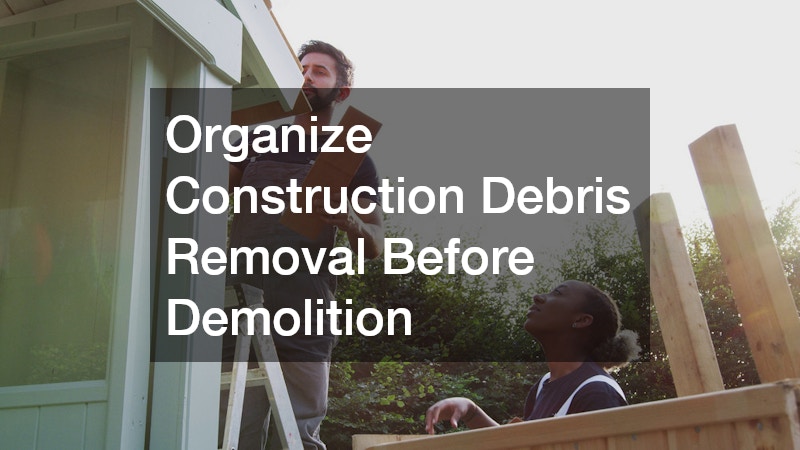 Demolition is often the most exciting phase of a renovation project. Walls come down, old cabinets disappear, and the transformation of the property begins.
But demolition also creates a tremendous amount of waste.
Without a clear plan for handling debris, renovation sites can quickly become cluttered and unsafe. Piles of drywall, flooring, and broken fixtures may slow contractors down and create hazards.
Planning for renting a dumpster before demolition begins keeps the job site organized and efficient.
During early renovation stages, contractors often remove large quantities of material in a short time. Having a designated container for waste allows crews to dispose of debris immediately rather than stacking it around the property.
This simple step improves workflow and helps maintain a professional work environment.
Estimating the volume of waste in advance can also prevent scheduling problems. Major renovations typically generate debris from multiple sources, including:
- Removed drywall and insulation
- Old flooring materials
- Cabinets and countertops
- Roofing materials
- Broken fixtures and appliances
Coordinating disposal logistics ensures that work progresses smoothly and that the property remains safe for contractors and inspectors.
Protect the Project With Proper Insurance Coverage
Renovation projects involve numerous risks. Construction accidents, weather damage, and unexpected structural failures can occur at any stage of the process.
Many investors assume their standard homeowner policy will cover these risks, but that is not always the case. Properties undergoing renovation may require specialized coverage depending on the scope of work and whether the property is occupied.
Speaking with a home owners insurance agent early in the project helps ensure appropriate protection.
Insurance professionals can recommend policies designed specifically for renovation projects. These may include builder’s risk coverage, which protects materials and construction progress from damage caused by fire, storms, or vandalism.
Vacant properties may also require different policies than occupied homes. If the property sits empty during renovation, standard insurance policies may not apply.
Contractor liability is another important consideration. Investors should confirm that contractors carry their own insurance coverage, including workers’ compensation and liability protection.
Without these safeguards, investors may become responsible for accidents occurring on the job site.
Protecting the project with proper insurance may not be the most exciting part of a renovation, but it provides peace of mind throughout the process.
Coordinate Property Clearing and Logistics Before Renovation

One challenge investors often underestimate is simply clearing out an older property.
Homes that have been occupied for decades may contain large quantities of furniture, stored belongings, and outdated appliances. Removing these items can take significant time and effort.
In some cases, hiring a moving company can help speed up the process and reduce physical strain on contractors.
Professional movers are experienced in handling bulky items and navigating narrow staircases or hallways common in older homes. Their involvement can prevent accidental damage to walls, floors, or door frames during the clearing process.
This logistical step may seem small compared to the overall renovation, but it plays an important role in maintaining project momentum.
Clearing the property quickly allows contractors to begin demolition and renovation without delays. It also helps create a clean workspace where structural issues and repair needs become easier to identify.
Efficient logistics often separate smooth renovation projects from chaotic ones.
Final Thoughts on Renovating Older Investment Properties
Flipping older homes offers unique opportunities for investors who are willing to approach renovations carefully and strategically. These properties often contain character and architectural details that modern homes cannot replicate, making them appealing to buyers seeking something distinctive.
At the same time, aging structures require patience and preparation. Hidden infrastructure issues, outdated systems, and decades of wear can introduce unexpected challenges that increase renovation costs.
Successful investors learn to view these risks as part of the process rather than unpleasant surprises. They investigate thoroughly before purchasing, prioritize structural and mechanical improvements, and work with experienced professionals who understand the complexities of older buildings.
When renovations are planned thoughtfully, older homes can transform into beautiful properties that attract buyers while delivering strong returns on investment.