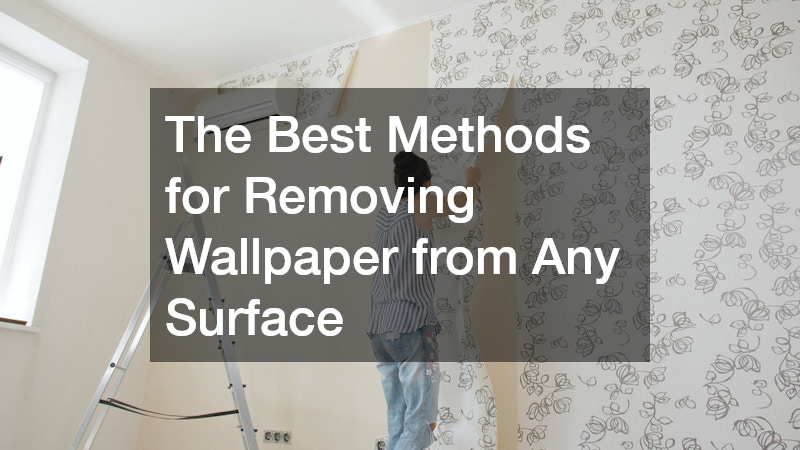
Removing wallpaper can be daunting. This guide provides effective methods for removing wallpaper from various surfaces. Follow our techniques to tackle even tricky wallpaper removal jobs confidently. Whether you’re a DIY enthusiast or a professional, these methods will save you time and effort.
What Tools are Needed for Wallpaper Removal?
Essential Tools
Gathering the right tools is crucial for efficiency. A basic toolkit should include a putty knife or scraper, a spray bottle for water or solution, and a scoring tool to penetrate and lift wallpaper. Quality tools make the project easier and more successful. Investing in durable tools will also ensure they last for future home improvement projects.
Optional Tools
Additional tools, like a wallpaper steamer or electric stripper, can simplify the job. These aren’t necessary, but reduce physical exertion and make the task more manageable. A varied toolkit helps handle any challenges that arise during removal. These tools can be particularly useful when dealing with large areas or multiple rooms.
Safety Equipment
Safety is crucial. Dust masks protect from particles; goggles shield eyes; gloves protect hands. Use sturdy footwear if needed. Safety gear ensures the process is safe and effective. Never underestimate the importance of protecting yourself during intense home renovation tasks.
How to Prepare a Room for Wallpaper Removal?
Clear the Room
Preparation is key. Clear the room of furniture and decor to provide space and avoid damage. Remove curtains or blinds to reduce distractions and protect belongings. Remember to inspect the room for any hidden items or hazards before you begin.
Protect Surfaces
Protect floors and surfaces from water, chemicals, and debris with drop cloths or plastic sheeting. This prevents damage and minimizes cleanup. Ensure all protective materials are secured in place to prevent slipping and accidents.
Manage Electrical Outlets
Turn off the power to the room. Cover or remove outlet faceplates to prevent water or debris entry. These steps help avoid accidents and keep electrical components safe. Always double-check to confirm that the power is genuinely off before proceeding with any removal work.
What are the Different Wallpaper Removal Techniques?
Water and Soap Solutions
Use warm water and soap to soften wallpaper. Spray solution onto the wallpaper to loosen the adhesive. Effective for non-vinyl, water-safe surfaces. Repeat as needed until the wallpaper is easily scraped off. Regularly reassess the condition of the wall to prevent excessive water exposure.
Steam Removal
A wallpaper steamer softens adhesive with heat. Effective for stubborn wallpaper. It’s environmentally friendly and requires patience and ventilation. Keep towels handy to mop up condensation and prevent water damage to the walls.
Chemical Strippers
Chemical strippers dissolve tough adhesives. Follow safety instructions and work in a ventilated space. Use as a last resort due to potential toxicity. Always test a small area first to ensure compatibility with your wall type.
How to Deal with Stubborn Wallpaper?
Identifying Wallpaper
Understand wallpaper types for the best removal approach. Vinyl coatings or multiple layers are stubborn. Adjust methods to improve efficiency. Proper identification will save you from unnecessary work and enable the correct use of tools.
Specialized Tools
Tools like electric scrapers or heavy-duty scoring tools help with tough layers. Professional-grade equipment aids in challenging projects. These tools are particularly helpful when dealing with historically preserved surfaces where minimal impact is desired.
Advanced Techniques
Combine techniques like scoring and steaming for hard-to-remove wallpaper. Patience and adaptation improve removal speed. Utilizing a systematic approach to these techniques will maximize their effectiveness and shorten the project’s timeline.
How Does Surface Material Affect Wallpaper Removal?
Drywall
Use minimal water to avoid damage. Gentle scraping prevents gouging. A steamer may be preferable for fragile drywall. Always have a repair kit on hand to mend any incidental damage during the process.
Plaster
Plaster is resilient, allowing steaming or soapy water. Assess the plaster’s condition for the best method. Plaster surfaces can handle more intense methods, but care should still be exercised to maintain integrity.
Wood Paneling
Begin with mild water to test the wood’s reaction. Use a steamer to loosen adhesives. Test chemical solutions to ensure compatibility. Wood’s surface condition can greatly influence the choice of method, so proceed with testing cautiously.
Wallpaper removal is manageable with the right knowledge, preparation, and tools. Consider wallpaper type and surface, employ suitable methods, and use safety equipment. Patience and persistence lead to a smooth process. These insights prepare you for any wallpaper removal project confidently. Remember, successful removal not only enhances the room’s look but also prepares the space for new design possibilities.