This article explores essential information regarding furnace repairs, addressing key concerns and common questions homeowners have about maintaining their heating systems.
1. What are the signs that my furnace needs repair?
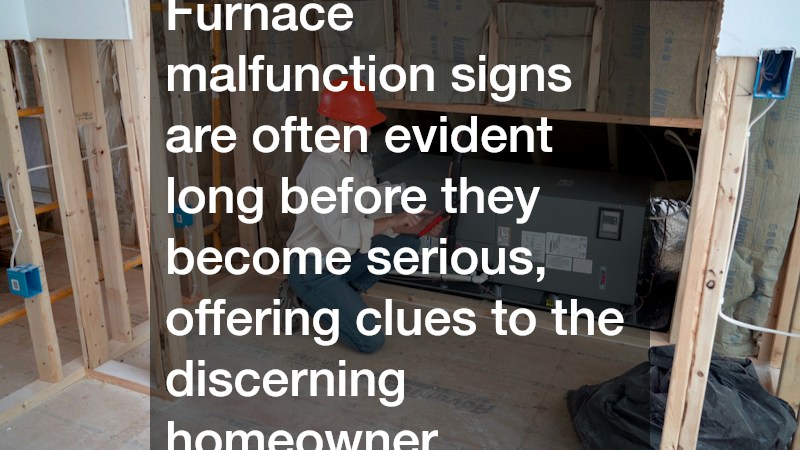
Furnace malfunction signs are often evident long before they become serious, offering clues to the discerning homeowner. One of the clearest signs is when the furnace begins to make unusual noises; banging, whistling, or groaning sounds are not typical and should be investigated promptly.
Inconsistent heating throughout the home is another red flag. If some areas are warm while others remain chilly, the furnace might not be distributing heat properly. Additionally, a furnace that cycles on and off too frequently could indicate a problem that needs attention.
Besides unusual noises and inconsistent heating, an increase in energy bills might signal a furnace issue. A malfunctioning furnace often works harder to maintain the desired temperature, consuming more energy than usual. If you notice a spike in your utility bills without a significant temperature drop outside, it is time to inspect your furnace. Another indicator is poor air quality; if dust and dryness become noticeable, these could result from a furnace not operating efficiently. Do not overlook the significance of any strange odors coming from the furnace, as they might hint at mold growth or a gas leak.
Understanding these signs is essential for proactive furnace maintenance. If you encounter any of these issues, it is advisable to call a professional technician for an inspection. Addressing problems early can often prevent more expensive repairs down the line. Regular maintenance and being attentive to these signals can help prolong the life of your furnace. Keeping your heating system in good condition ensures a warm and comfortable home during the cold months.
2. How can I prevent furnace issues before they occur?
The best approach to furnace care is preventative maintenance, which involves routine checks and timely upkeep. One crucial preventative measure is changing or cleaning the furnace filter regularly to ensure efficient airflow and reduce strain on the system. Ideally, filters should be replaced every three months, especially during heavy use periods. Also essential are regular inspections by a professional who can catch early signs of wear and tear. These inspections can help avoid sudden breakdowns during the cold season.
Catching minor issues before they escalate into severe problems can save time, money, and energy. Apart from regular filter changes, keeping the area around your furnace clean and clear of obstructions is important. This allows the furnace to breathe and function efficiently, helping to prevent overheating. Furthermore, it is beneficial to test your thermostat periodically to ensure it communicates properly with the furnace. Accurate thermostat readings are crucial for maintaining a comfortable home environment.
Implementing a proactive maintenance plan can extend the lifespan of a furnace by several years. Hiring a professional service for annual or bi-annual furnace check-ups is crucial in detecting potential future problems. These services might include cleaning burners and recalibrating the system to ensure all elements are operating at peak performance. Staying up-to-date with furnace technology and improvements can also provide energy-efficient solutions that benefit both your wallet and the environment. Consistent preventative care not only minimizes repair needs but also ensures optimal heating performance when you need it most.
3. What should I expect during a furnace repair service?
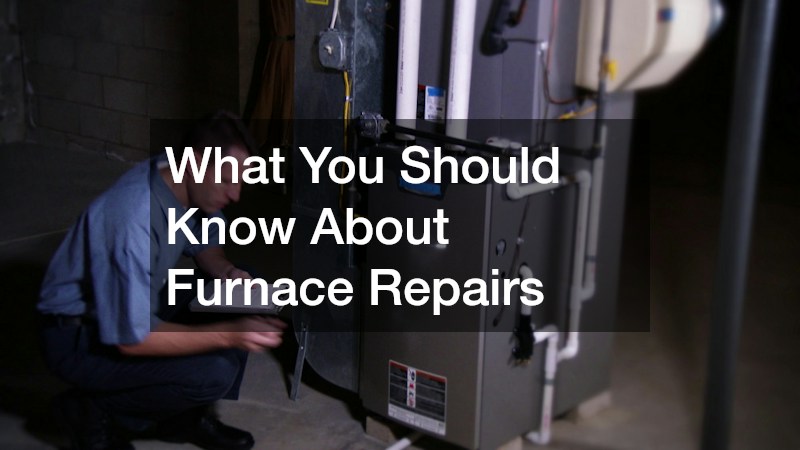
When the time comes to schedule a furnace repair service, knowing what to anticipate can make the process smoother. Initially, a technician will typically perform a thorough diagnostic check to identify the source of the issue. This step might involve inspecting the furnace components, such as the heat exchanger, blower motor, burners, and electrical connections. By assessing these parts, the technician can determine whether repairs are possible or if certain components need replacement. Understanding the diagnostic process can help you communicate effectively with the service provider.
Once the diagnostic is complete, the technician will explain their findings and recommend a course of action. Common repair jobs might include replacing faulty parts, cleaning essential components, and adjusting electronic controls to restore functionality. The time and cost of repairs vary depending on the complexity of the issue; simple repairs are usually resolved within a few hours, while more extensive problems may require additional parts and time. Transparency in service can provide peace of mind, ensuring you receive the necessary information to make informed decisions about repair needs.
It is important to ask the technician about preventive measures to avoid future issues once repairs are complete. They might offer insights on improved maintenance routines or suggest upgrades for better energy efficiency. Additionally, some companies offer warranty protection for repairs, providing further assurance. Staying informed about each step of the process strengthens trust between you and the service provider. Conclusively, understanding the furnace repair process empowers you to maintain your heating system effectively and efficiently throughout the year.
Understanding furnace repairs is crucial for maintaining a comfortable home. By recognizing the signs of issues, practicing preventive care, and knowing what to expect during repairs, homeowners can ensure their heating systems operate efficiently.